
Outdoor learning provides the young children to open up their eyes and learn the concepts by direct experience as opposed to being confined to indoor activities. A well-planned outdoor ecology can offer an expansion of the classroom at a melrose daycare center, as the children observe, question, experiment and make inferences with surrounding world. Experimentation, exploration and questioning are stressed in Little Elephant Learning Center as normal methods of learning to the young children. It also has an outdoor classroom, playground and physically challenging programs, which help in supporting the development of children.
Business Case: Physical Skills Development
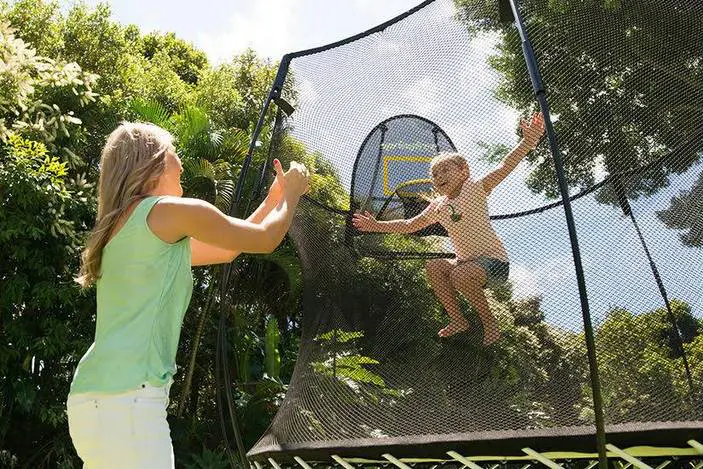
I would also consider outdoor play as a form of physical activity youths would follow to move, climb, balance, run, and jump in order to coordinate their actions. Such activities have the potential of boosting gross motor skills as well as enabling children to build body awareness and confidence. Children can be physically challenged with simple activities like playground navigation, the transportation of objects, digging, or playing movements games. Active daily play also enables children to be exposed to self-care and independence. Outdoor activities enable children to learn and grow simultaneously as their physical development is factored in real terms as they create meaningful experiences.
Promoting Curiosity and Problemsolving
Nature has so many possibilities that can help children explore questions. A falling leaf, a pool, a bug, a stone, or a season in transition can be the point of departure in the process of observation and discourse. A child is able to make comparisons between the textures, observe patterns, guess what will occur when water passes through soil or explore the changes that happen to plants as time progresses. Such experiences are stimulating curiosity and early scientific thought. Since children have the opportunity to directly engage with their environment, outdoor schooling may render abstract concepts more comprehensible. Teachers can extend on the interests of the children by posing open-ended questions and getting the children to explore the potential answers.
Helping With Social and Emotional Development
Social and emotional growth can also be provided by outdoor activities. Shared exploration, group games, and imaginative play prompt the children to communicate, negotiate, cooperate, and take turns. Children can be taught to resolve conflicts, mind their own space and to collaborate as a means to an end. The outdoor settings might also give children the chance to make decisions and to do things on their own. Sensitive teachers can facilitate these experiences whilst giving children freedom to be confident to a large extent. This methodology fits within the focus of the center which focuses on helping children to be socially and emotionally well and achieve independence.
Designing Significant daily Learning
The best outdoor programs do not view outdoor time as a time-off of directed learning. Rather, they employ the environment as a learning tool. Children can learn about growth and responsibility through gardening, scientific thinking through observation of the weather and language and creativity through outdoor games with an element of imagination. Outdoor program may be a significant factor to families opting to have early education. Carefully designed outdoor setting provides children with space to run, explore, collaborate and discover as teachers design learning through the interests of children.
About Author