
How a Chinese Enrichment Class for Preschool Builds Confidence in Mandarin

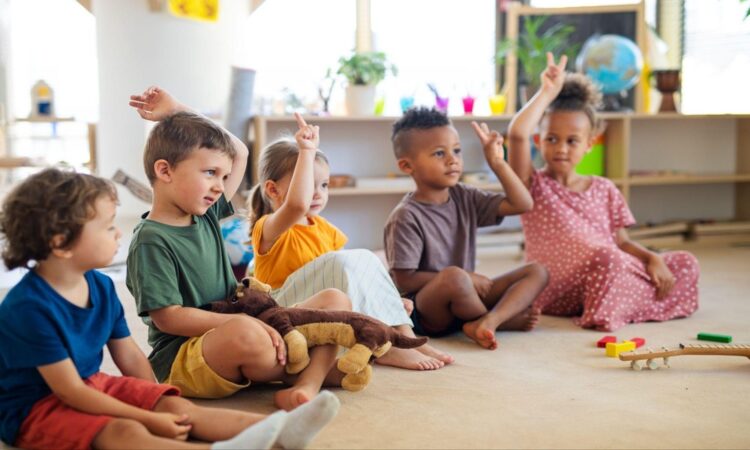
Key Highlights
- Interactive learning environments encourage children to speak Mandarin without the fear of making mistakes.
- Play-based activities and songs help preschool learners internalise complex tones and vocabulary naturally.
- Small group settings allow for personalised attention, ensuring every child participates in verbal exercises.
- Consistent exposure through enrichment builds a strong foundation before the transition to primary school.
- Engaging with peers in Mandarin fosters social confidence and a genuine interest in Chinese culture.
Introduction
Mastering a second language during the early years is one of the most significant gifts a parent can offer their child. For many families in Singapore, ensuring that their little ones are comfortable with Mandarin is a top priority. However, the formal structure of a traditional classroom can sometimes feel intimidating for a young learner, which is where a Chinese enrichment class for preschool becomes essential. By creating a space where the language feels alive and relevant, these programmes help children overcome the initial barriers of communication. When looking for Chinese tuition in Tampines, parents often seek environments that balance academic preparation with emotional encouragement.
Cultivating a Natural Interest Through Play
One of the most effective ways to build confidence in a preschooler is to remove the pressure of formal testing. In a dedicated Chinese enrichment class for preschool, teachers utilise play-based pedagogy to introduce new concepts. When children participate in games, storytelling, and role-playing, they are not just learning words; they are experiencing the language in a functional context. This immersive approach ensures that Mandarin becomes a tool for fun rather than a difficult subject to be studied. As children successfully navigate these activities, they begin to associate the language with positive emotions and social success. This foundation is vital because a child who enjoys the learning process is far more likely to speak up and experiment with new phrases during their daily interactions.
Providing a Safe Space for Verbal Expression
In a large classroom setting, quieter children often shy away from speaking, fearing that they might get a word wrong in front of a crowd. Enrichment programmes typically maintain smaller class sizes to ensure that every student receives the support they need. This intimate setting allows the teacher to encourage participation from even the most hesitant speakers. By fostering a supportive and non-judgmental atmosphere, a Chinese enrichment class for preschool helps children realise that making mistakes is a natural part of the learning journey. Teachers can offer immediate, gentle corrections that guide the child toward the right answer without bruising their ego. This safe environment is the perfect incubator for the verbal skills required to navigate more complex social and academic situations in the future.
Improving Phonetic Accuracy and Tonal Awareness
Mandarin is a tonal language, which can be challenging for those who do not have frequent exposure to it outside of school. Many young learners feel shy about speaking because they are unsure of their pronunciation. A Chinese enrichment class for preschool addresses this by incorporating nursery rhymes, songs, and rhythmic chants into the curriculum. These musical elements make it easier for children to mimic the correct tones and inflections without feeling self-conscious. Over time, this constant auditory reinforcement sharpens their listening skills and refines their speech patterns. When a child realises their teachers and peers understand them, their confidence grows exponentially. This phonetic clarity serves them well later if they transition to more formal Chinese tuition in Tampines during their primary school years.
Bridging the Gap to Primary School Readiness
As the primary school years approach, the academic expectations for Mandarin proficiency increase significantly. Many parents begin searching for Chinese tuition in Tampines to ensure their children are prepared for the rigours of the national curriculum. A preschool enrichment programme acts as a vital bridge, transitioning the child from simple vocabulary to more structured sentence formation. By the time they enter Primary One, children who have attended enrichment classes are usually more familiar with common characters and basic grammar rules. This familiarity prevents the language shock that some students experience when they encounter the increased pace of school lessons. Being ahead of the curve allows them to maintain their confidence, as they feel competent and capable when facing new classroom challenges.
Conclusion
Building confidence in Mandarin requires a delicate balance of structured learning and creative expression. A high-quality enrichment programme offers preschoolers the chance to explore the language in a way that is both meaningful and manageable. By focusing on engagement and social interaction, these classes ensure that children view Mandarin as an accessible and enjoyable part of their lives. Whether through song, play, or peer interaction, the skills gained during these early years provide a massive advantage. Investing in these formative stages ensures that the child moves forward with a positive attitude toward bilingualism and a sturdy foundation for future academic success.
Contact Choice Hua Sheng Education Centre to learn more about how our specialised Chinese enrichment class for preschool can help your child excel.
About Author