

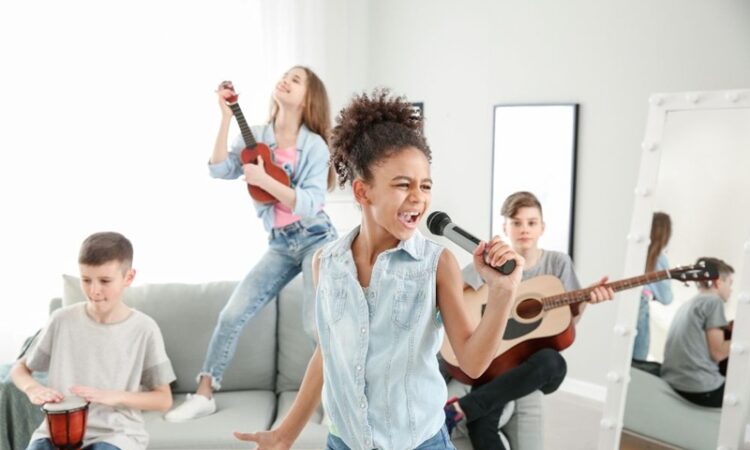
The decision to enrol children in singing classes for kids represents more than simply pursuing musical instruction; it involves nurturing a form of self-expression that can profoundly influence a young person’s development. Singapore’s education landscape has witnessed growing recognition of vocal training’s benefits, not merely for musically gifted children but for all youngsters seeking outlets for creativity and personal growth. What emerges from examining this sector is a diverse array of programmes designed to accommodate varying abilities, temperaments, and family circumstances.
The Developmental Benefits Beyond Music
Singing classes for kids deliver advantages extending well beyond vocal technique. Research conducted by education specialists in Singapore has documented improvements in children’s confidence, particularly amongst those who initially presented as shy or reluctant to speak in group settings. A vocal instructor with twelve years of experience observed, “We often see children who barely whisper in their first lesson eventually performing solos at year-end concerts. The transformation isn’t just musical; it’s personal.”
The physical aspects of proper singing technique contribute to overall wellbeing. Learning breath control and posture benefits children’s general health whilst developing body awareness. The cognitive demands of reading lyrics, maintaining pitch, and coordinating with accompaniment strengthen neural pathways associated with memory and concentration.
Age-Appropriate Approaches
Quality singing classes for kids recognise that instructional methods must adapt to developmental stages. Preschool-aged children respond best to playful approaches incorporating movement, simple melodies, and repetitive patterns.
Primary school children possess greater attention spans and can engage with more structured vocal exercises. Programmes for this age group typically introduce:
- Basic music theory concepts including rhythm, pitch recognition, and simple notation
- Breath support techniques appropriate for developing bodies
- Repertoire from various genres exposing children to different musical styles
- Group singing activities building ensemble skills and social connection
- Performance opportunities through informal showcases or formal recitals
Secondary school students benefit from more sophisticated training addressing voice changes during puberty and potentially preparation for examinations or auditions.
Individual Versus Group Instruction
Parents researching singing classes for kids encounter choices between private lessons and group settings, each offering distinct advantages. Individual tuition allows instructors to address specific vocal characteristics and learning speeds. Technical issues receive focused attention, and shy children avoid peer pressure that group environments might create.
Group classes provide social benefits that individual instruction cannot replicate. Children learn from observing classmates, develop ensemble singing skills, and often find motivation through friendly competition. “Some of our most remarkable progress stories come from group settings,” noted a music school administrator. “Children push each other in positive ways, and the friendships formed can be quite special.”
Cost considerations also influence this decision, with group singing classes for kids typically charging significantly less than equivalent individual instruction.
What Parents Should Evaluate
Selecting appropriate singing classes for kids requires assessment of several factors beyond simple proximity to home. The instructor’s qualifications and experience matter considerably, though formal credentials don’t always predict teaching effectiveness with children. The ability to engage young students, maintain discipline without stifling enthusiasm, and adapt explanations represents skills that transcend academic achievement.
Class sizes in group settings warrant scrutiny. Programmes maintaining ratios of one instructor to eight or fewer students generally balance efficiency with adequate personal engagement.
The learning environment itself influences outcomes. Studios should provide appropriate acoustics, adequate space, and age-appropriate furnishings. Some schools offer observation areas allowing parents to watch lessons without disrupting instruction.
Managing Expectations and Building Habits
Realistic expectations about progress rates help families avoid disappointment. Natural vocal ability varies considerably amongst children, and comparing one’s child to classmates often proves counterproductive. A vocal coach cautioned, “We see parents who expect their child to sound like professional performers after a few months. Development takes time, and pushing too hard can destroy the joy that should accompany music-making.”
Regular practice between lessons accelerates improvement. Even ten to fifteen minutes daily yields better results than sporadic longer sessions. Making practice enjoyable through accompaniment or recording progress helps sustain motivation.
Performance Opportunities and Confidence Building
Participation in recitals and showcases represents valuable components of comprehensive singing classes for kids. These events provide tangible goals motivating practice whilst teaching children to manage performance anxiety. The experience builds confidence applicable to academic presentations and various life situations requiring public speaking.
Schools vary in their approach to performances, with some offering optional participation and others incorporating recitals as programme requirements.
Special Considerations for Singapore Families
Singapore’s multicultural context creates unique opportunities within singing classes for kids. Programmes incorporating repertoire from various cultural traditions expose children to Mandarin, Malay, and Tamil songs alongside English material, supporting the nation’s multilingual aspirations whilst broadening musical horizons.
Scheduling flexibility matters in Singapore’s context, where many families juggle multiple enrichment activities alongside academic demands. Schools offering weekend or evening sessions accommodate busy schedules more effectively.
Making the Decision
The abundance of singing classes for kids across Singapore means most families can find programmes aligning with their circumstances. Trial lessons offered by reputable institutions allow children to experience teaching styles before commitment, with parental observation revealing whether the environment suits their child’s temperament.
Beyond practical considerations, trust instincts about fit. Does the instructor genuinely engage with students? Do current students appear enthusiastic rather than merely compliant?
Singapore’s music education infrastructure provides genuine opportunities for children to develop vocal skills regardless of initial ability. The question isn’t whether your child possesses sufficient talent to justify enrolment, but rather whether the developmental benefits and creative expression justify the investment. With appropriate research and realistic expectations, finding singing classes for kids that enrich your child’s life whilst fostering genuine musical growth becomes not merely possible but highly probable.
About Author