Building Confidence Through Creative Expression
Speech and drama activities offer young learners a powerful way to develop communication skills. These creative exercises help children express themselves clearly and build lasting confidence. Through role-play and storytelling, youngsters discover their voice in a safe, supportive environment.
Many children struggle with public speaking or expressing their thoughts aloud. Speech and drama programmes address these challenges by making communication fun and interactive. The structured approach allows children to practise speaking skills without the pressure of formal presentations.
The Foundation of Effective Communication Skills
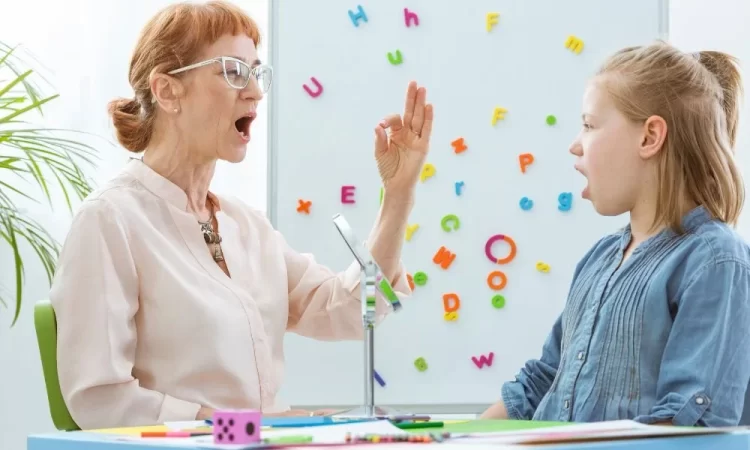
Young minds absorb communication patterns quickly when engaged through dramatic play. Speech and drama techniques teach proper pronunciation, clear articulation, and expressive delivery. Children learn to project their voice, use appropriate pace, and employ natural gestures.
These foundational skills extend far beyond the drama classroom into everyday interactions. Students develop active listening abilities as they respond to scene partners and follow dramatic narratives. The collaborative nature of speech and drama activities builds essential social communication skills.
Creative Methods That Capture Young Attention
Story Creation and Character Development
Children naturally gravitate towards storytelling and imaginative play in speech and drama sessions. They create original characters with unique voices, mannerisms, and speaking patterns. This process encourages creative thinking whilst developing distinct communication styles.
Character work allows young learners to explore different perspectives and emotional expressions. They practise varying their tone, volume, and speaking pace to match character personalities. These exercises build vocal flexibility and emotional intelligence through dramatic exploration.
Interactive Games and Movement Exercises
Physical movement enhances speech and drama learning by connecting body language with verbal expression. Children learn that communication involves more than just spoken words. Gesture, posture, and facial expressions all contribute to effective message delivery.
Movement games help shy children overcome inhibitions about speaking in front of others. The playful atmosphere reduces anxiety whilst building confidence through gradual exposure. These activities create positive associations with public speaking and group participation.
Improvisation and Spontaneous Speaking
Improvisation exercises teach children to think quickly and respond naturally in conversation. Speech and drama improvisation builds mental agility and verbal fluency. Students learn to express ideas clearly under gentle time pressure.
These spontaneous speaking activities mirror real-life communication situations that children encounter daily. They develop skills for responding to unexpected questions or contributing to group discussions. The practice helps children become more articulate and confident speakers.
Social and Emotional Development Benefits
Building Empathy Through Role-Playing
Speech and drama activities naturally develop emotional intelligence in young participants. Children step into different roles and experience various perspectives through character work. This process builds empathy and understanding of others’ feelings and motivations.
Role-playing exercises help children recognise and express their own emotions appropriately. They learn to identify emotional cues in voice tone and body language. These skills transfer to better peer relationships and social interactions.
Collaborative Learning and Teamwork
Group speech and drama projects require cooperation, compromise, and shared decision-making amongst participants. Children learn to listen respectfully to others’ ideas and build upon them constructively. These collaborative skills prove valuable in academic and social settings.
Working together on dramatic presentations teaches children to support their peers’ efforts. They celebrate collective achievements rather than individual competition. This approach builds positive relationships and mutual encouragement within learning groups.
Academic Performance Enhancement
Improved Reading and Language Skills
Speech and drama activities strengthen literacy development through script reading and dialogue practice. Children encounter new vocabulary in context and learn proper pronunciation naturally. They develop better reading fluency and comprehension through character study.
These language skills transfer directly to improved academic performance across subjects. Students become more comfortable reading aloud in class and participating in discussions. Their enhanced vocabulary and speaking confidence boost overall learning outcomes.
Critical Thinking and Analysis Development
Analysing characters, plots, and themes in speech and drama exercises develops critical thinking abilities. Children learn to ask thoughtful questions about motivations and story development. They make connections between dramatic situations and real-life experiences.
This analytical thinking extends to other academic subjects and problem-solving situations. Students become more thoughtful about cause and effect relationships. They develop skills for examining issues from multiple perspectives.
Long-Term Communication Benefits
Professional and Personal Success Preparation
Early speech and drama training provides lasting advantages for future academic and career success. Children who develop strong communication skills early often become natural leaders. They feel comfortable presenting ideas and engaging with diverse groups of people.
These communication abilities remain valuable throughout life in various professional contexts. Public speaking confidence, active listening skills, and emotional intelligence benefit career advancement. The foundation built through speech and drama activities supports lifelong personal development.
Creating Confident, Articulate Young Adults
Regular participation in speech and drama programmes transforms shy children into confident communicators. They learn to express themselves clearly and persuasively in various situations. These skills serve them well in interviews, presentations, and social interactions.
The creative confidence gained through dramatic expression encourages young people to share their ideas boldly. They develop authentic voices and learn to communicate with genuine passion. Speech and drama education creates articulate, empathetic, and confident young adults ready for future challenges.
About Author