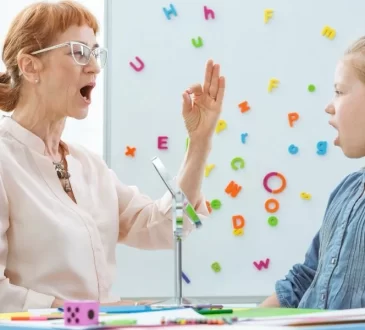
Speech development is a fundamental aspect of a child’s growth, impacting social interaction, learning, and self-esteem. Kids speech therapy services play a critical role in supporting children who experience delays or difficulties with communication. Beyond enhancing language skills, these services foster confidence, allowing children to engage more effectively in both academic and social settings. Understanding how speech therapy can boost self-assurance helps parents and caregivers make informed decisions about seeking support for their child.
How Speech Therapy Supports Communication Skills
Effective communication is central to a child’s development, and difficulties in speech can affect a child’s ability to express thoughts, needs, and emotions. Kids speech therapy services provide specialized interventions designed to address a wide range of speech and language challenges. These may include articulation disorders, stuttering, delayed language development, and social communication difficulties.
Speech-language pathologists assess each child’s needs and develop personalized therapy plans. By incorporating games, interactive exercises, and structured practice, therapists help children improve pronunciation, vocabulary, and sentence structure. Mastery of these skills empowers children to communicate more clearly, reducing frustration and increasing their willingness to participate in conversations and group activities.
The improvements in communication fostered by kids speech therapy services extend beyond speech itself. When children are able to express themselves confidently, they develop stronger social bonds, perform better academically, and experience a greater sense of belonging. This foundation is critical for cultivating confidence and independence throughout childhood.
Building Self-Esteem Through Positive Reinforcement
Kids speech therapy services focus not only on technical skills but also on emotional and psychological development. Therapists employ positive reinforcement to encourage progress, celebrating achievements and motivating children to overcome challenges. This approach helps children associate learning with success, reinforcing self-esteem and resilience.
Regular feedback and encouragement create an environment where children feel safe to take risks with language and practice new skills. Children who experience repeated success in a supportive setting begin to trust their abilities, which translates into increased confidence in school, home, and social situations. The structured support provided by speech therapy allows children to internalize a sense of competence and pride in their accomplishments.
Therapists often collaborate with parents to ensure that progress continues outside of therapy sessions. By integrating supportive techniques at home, children receive consistent reinforcement, which strengthens the connection between skill development and confidence. This holistic approach ensures that gains made in therapy are applied to everyday communication, enhancing overall self-assurance.
Tailored Approaches for Individual Needs
Every child’s needs are unique, and kids speech therapy services are designed to address individual challenges. Personalized therapy plans consider a child’s specific strengths, weaknesses, and interests. By tailoring exercises to a child’s preferences, therapists increase engagement, motivation, and the likelihood of progress.
Interactive and play-based methods are commonly used to make therapy enjoyable and relatable. Children are more likely to participate enthusiastically when activities feel like games, and this engagement enhances learning outcomes. Through repeated practice and incremental achievements, children gain a sense of mastery over their communication skills, which directly contributes to confidence.
Early intervention is particularly effective in addressing speech and language difficulties. Children who receive support at a younger age are more likely to overcome barriers quickly and experience lasting improvements in both communication and self-esteem. Kids speech therapy services provide timely and targeted support, helping children build a solid foundation for confident interactions throughout life.
Encouraging Social Interaction and Peer Relationships
Speech challenges can sometimes lead to social anxiety or isolation, making it difficult for children to connect with peers. Kids speech therapy services address these concerns by incorporating social communication exercises and group activities. These experiences allow children to practice conversation skills, understand social cues, and develop appropriate responses in a supportive environment.
By participating in guided social interactions, children learn to navigate conversations, handle misunderstandings, and engage in cooperative play. These skills foster positive relationships with peers and create opportunities for meaningful social experiences. As children gain confidence in their ability to communicate effectively, they become more comfortable initiating interactions and expressing themselves in various settings.
In addition to direct therapy, parents and educators can reinforce social confidence by providing opportunities for children to practice skills in real-world contexts. Encouraging participation in classroom discussions, extracurricular activities, and community events helps children apply their communication abilities, further strengthening self-assurance.
Kids speech therapy services go beyond teaching speech techniques—they nurture the confidence necessary for children to thrive socially, academically, and emotionally. Through individualized approaches, positive reinforcement, and opportunities for social interaction, children gain the tools to communicate effectively and feel secure in their abilities. By investing in these services, parents support not only their child’s speech development but also their overall growth and self-esteem.
About Author